
Why Berberine Didn’t Work for YOU
Don’t get me wrong - I think Berberine is amazing. And so do lots of the folks in my community!
One of my followers on YouTube said that even though she was skeptical, she lost about 10lbs in 3 months just by adding Berberine - and another 30lbs once she added exercise and healthy eating!
Another said that she definitely noticed curbing of her appetite after taking Berberine for 3 weeks.
And another said that Berberine helped her lose inches around her waist and improve her A1C after a lifelong struggle with emotional overeating.
But guess what - some people are not so excited about the benefits of Berberine
One YouTube commenter said it gives her loose stools, and another said it gives them constipation. Another one said that she’s in perimenopause and tried even the most expensive Berberine supplements and they didn’t do a thing to help her.
If this has been your experience, I hear you - and I totally understand your frustration.
It’s already hard enough to deal with problems like insulin resistance, gut problems, chronic inflammation, and excess body fat, much less find solutions that work on the root cause.
So when a supplement like Berberine doesn’t work for you, despite all the research studies and clinical evidence that it should, it’s a big disappointment.
But it doesn’t mean your situation is hopeless - far from it!
Your body’s response - or non-response - to Berberine could be telling you something important. That’s why I’m going to explain the 3 main reasons why some folks don’t respond well to Berberine, and what you can do instead to get the results you deserve.
But first, let’s do a quick review about what Berberine is and what it does in the body - it will make the rest much easier to understand.
Berberine is a natural compound found in plants like goldenseal, oregon grape, tree turmeric, and barberry. It is known for it’s bright yellow color and bitter taste - which is why high-dose supplemental forms are encapsulated or in a tablet form instead of powder or chewable.
That bitterness is one of the factors that make Berberine useful - believe it or not, your gut has bitter taste receptors similar to the ones on your tongue, and stimulating these receptors can cause changes in gut motility and gastric emptying, which can help improve digestion and satiety.
It also influences the release of gut hormones like GLP-1 and ghrelin - you may recognize these as important for blood sugar balance, hunger signaling, and fat storage.
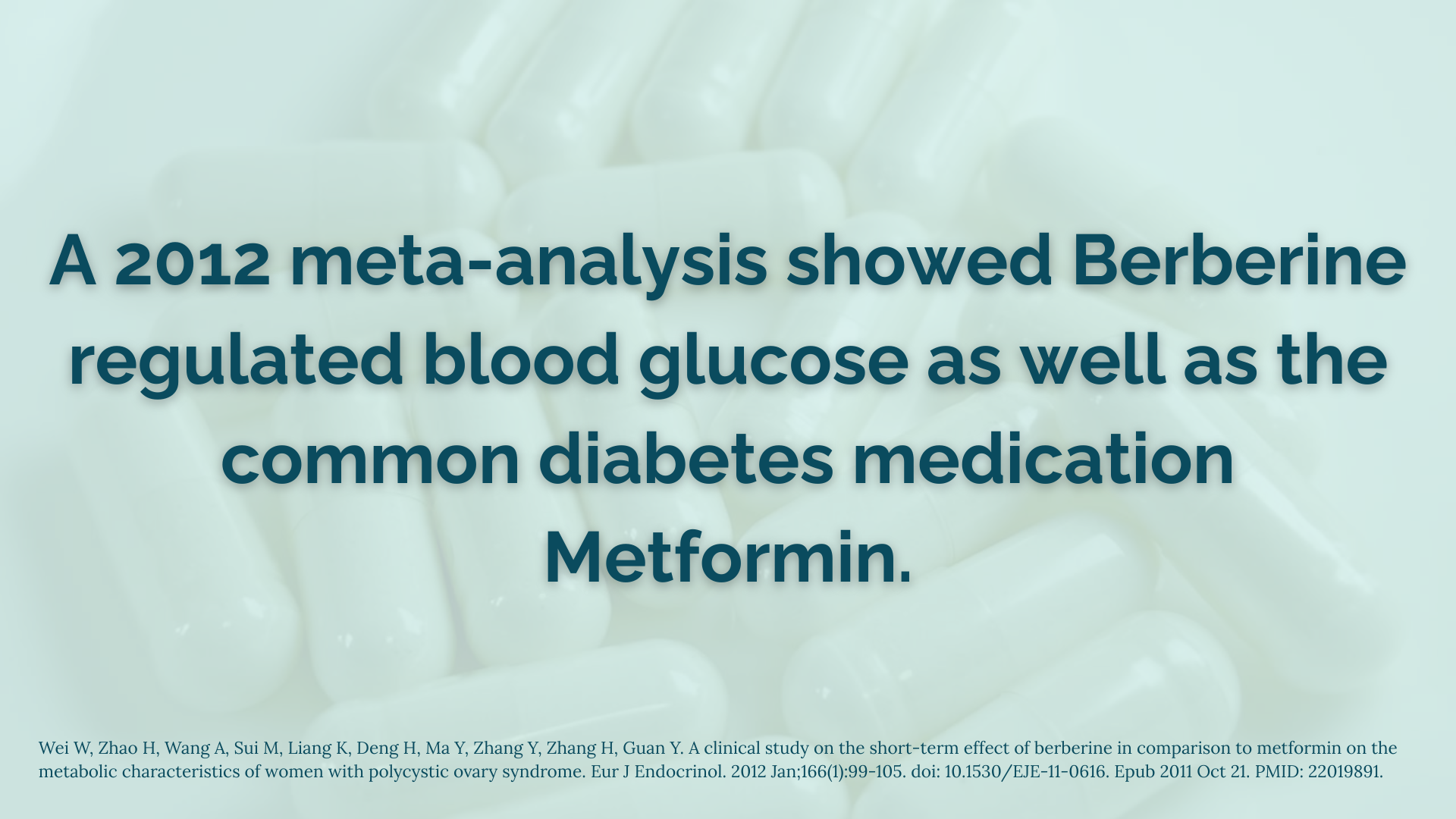
According to a 2012 meta-analysis of 14 different studies including more than 1,000 people, Berberine was able to help with blood sugar control as much as the common diabetes medication metformin - and with far fewer side effects.
Berberine is also a powerful anti-inflammatory. Specifically, it has been shown to inhibit the inflammatory responses associated with rheumatoid arthritis, psoriasis, and inflammatory bowel disease in human or animal models.
A recent study found that berberine significantly reduced inflammatory markers like high-sensitivity C-reactive protein, interleukin-6, and tumor necrosis factor-alpha.
By reducing brain inflammation and promoting cell growth and survival, berberine has been shown to decrease anxiety and stabilize mood by supporting healthy levels of neurotransmitters.
It has also been shown to improve symptoms and reduce progression in degenerative neurologic diseases like Parkinsons and Alzheimer’s - which is a really big deal given the increasing prevalence of Alzheimer’s disease.
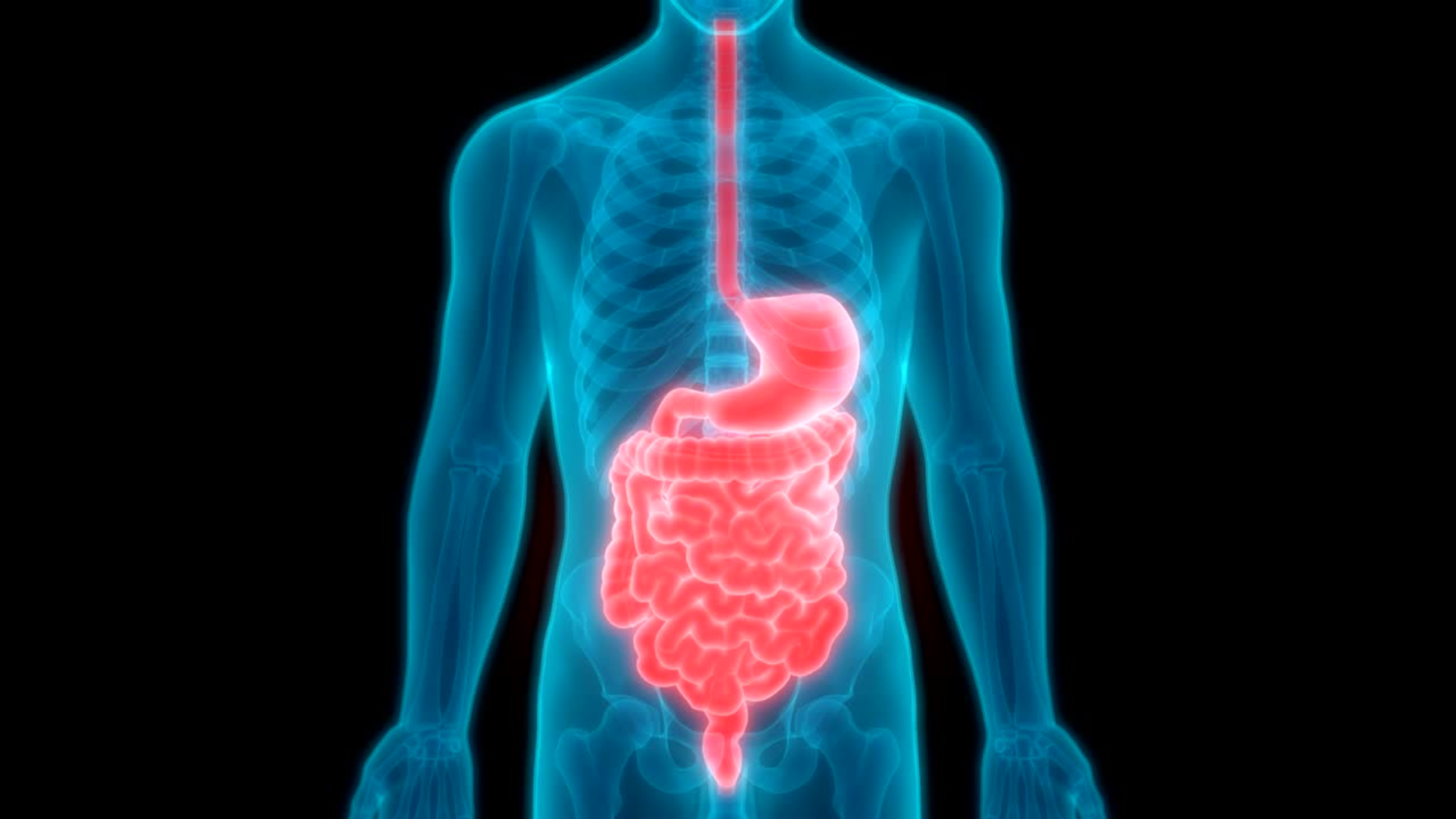
Berberine is also a gut microbiome modulator.
This means that it helps your body clear out unhelpful bacteria, protozoa, and even parasites while promoting the flourishing of beneficial microbes.
It is useful for getting rid of a common yeast called Candida that has a tendency to overgrow and cause problems like heartburn and reflux, bloating and gas, constipation, and even skin conditions like eczema and acne.
Berberine also increases the amount of a very special bacteria called Akkermansia which regulates inflammation and improves gut hyperpermeability, also known as leaky gut.
It’s actually Berberine’s impact on the gut that brings us to the first - and most common - reason that it doesn’t work for some people. I’m talking about gut-related side effects including bloating, diarrhea, gas, cramping, and reflux.
While getting rid of unhelpful yeasts and potentially pathogenic bacteria is ultimately a good thing, it can come with some unpleasant symptoms.
And if your gut microbiome is really unbalanced, or you have particularly nasty bugs living in your intestines, they can kick up a fuss when Berberine enters the scene.
This is one of the reasons that some folks have digestive side effects when they take Berberine - especially at high doses. If Berberine is shaking things up in their your microbiome, it can cause temporary stool changes, gas, and bloating.
But if these side effects are severe, or they last more than 3 weeks even if you decrease your dose, it’s likely that your body’s reaction is pointing you toward a deeper issue that needs to be resolved.
So, let’s say that you tried a high-quality, third-party tested supplement containing berberine, and you experienced gas, cramping, indigestion, diarrhea, or constipation.
What you could do instead is investigate your microbiome with a functional stool analysis.
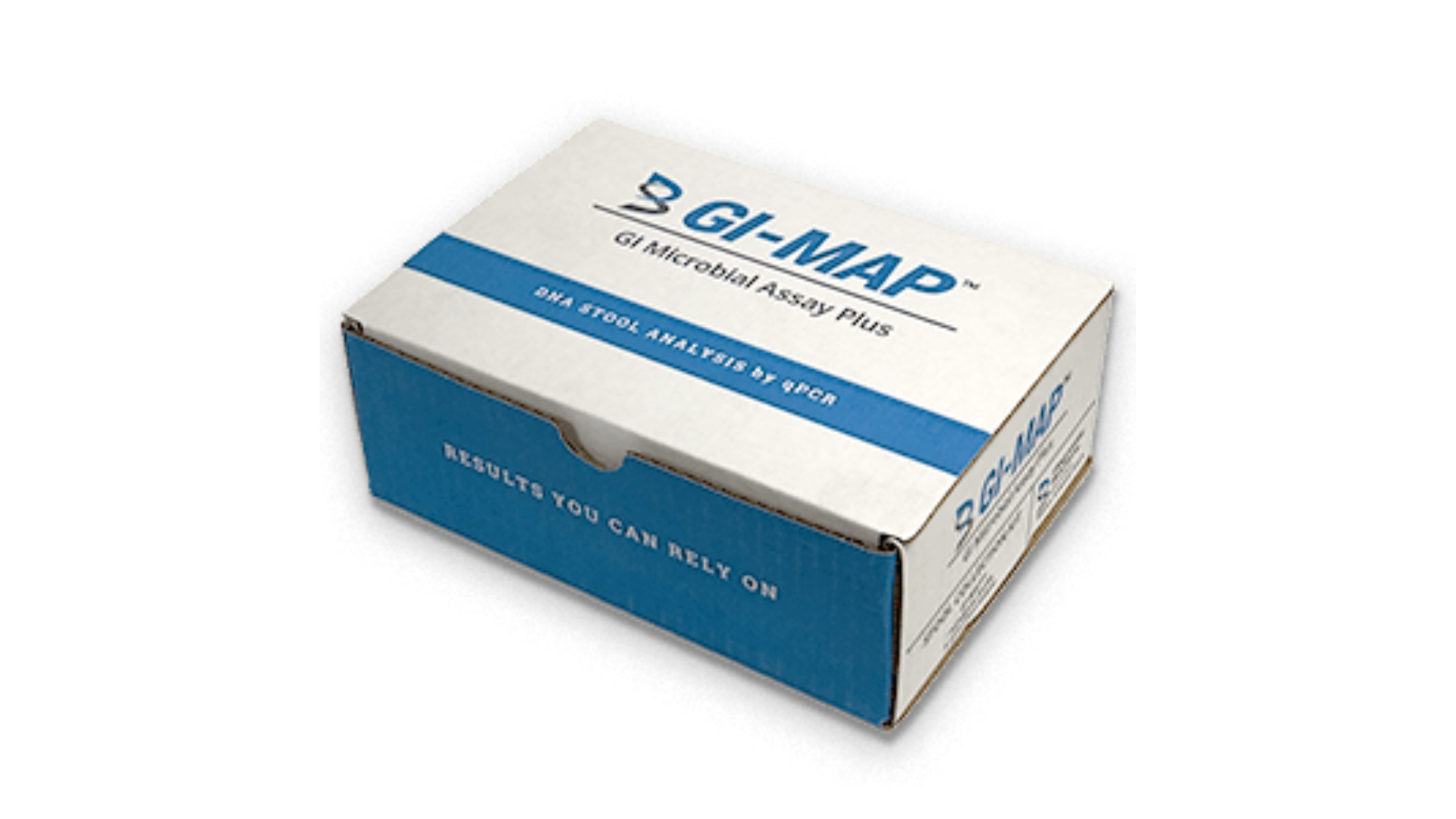
This would help you determine if you have too many microbes in your gut or too few, if you have chronic inflammation in your digestive tract, or if you have any particularly nasty pathogens or parasites or h. pylori throwing off the homeostasis of your microbiome - and potentially reacting to Berberine.
Once you have this helpful data, you can choose specific strategies to address each underlying cause. Perhaps you need to eradicate h. pylori, or clear some Candida, or compensate for low digestive enzymes.
When you order your functional stool analysis through my website, I’ll send you personalized strategies to use and even make you a pre-recorded video that walks you through your results so you fully understand them.
The result may be that you’ll be able to tolerate Berberine after all - but more importantly, you’ll be addressing the gut-related root causes of your symptoms as well. Click HERE to order yours today.
The second reason that Berberine doesn’t work for some people is that they have underlying hormonal problems - and I don’t only mean female hormones.
It’s well-established that high cortisol, which is your body’s chronic stress hormone, causes weight gain - particularly around the midsection or abdominal region.
And while Berberine can help modulate your body’s response to stress - particularly in terms of blood sugar balance - it can’t override your body’s fight-or-flight signals or move you out of survival mode.
You also need to assess and address cortisol directly. Subclinical hypothyroidism can also sabotage berberine’s impact on weight loss resistance - and many doctors miss it.
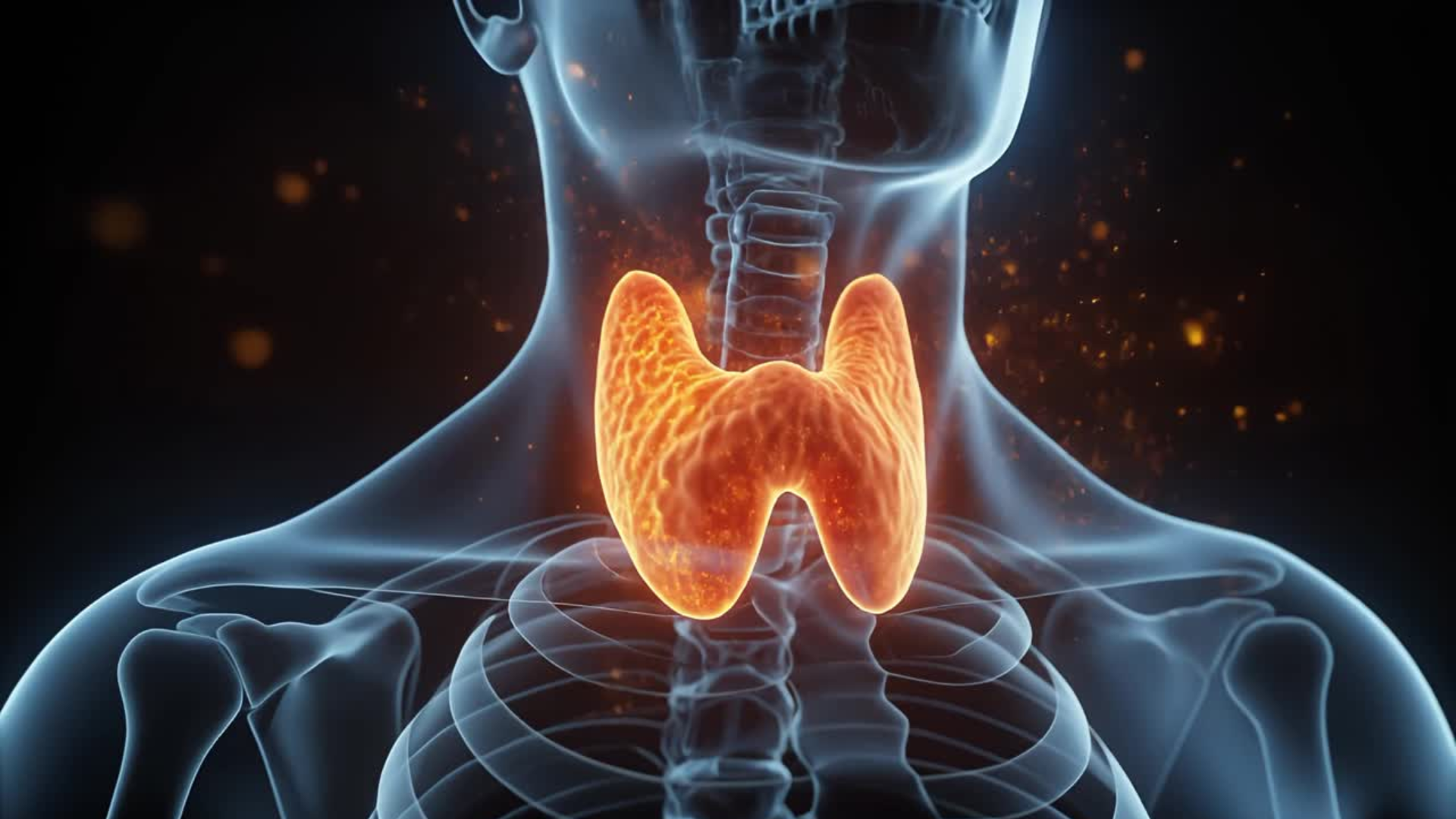
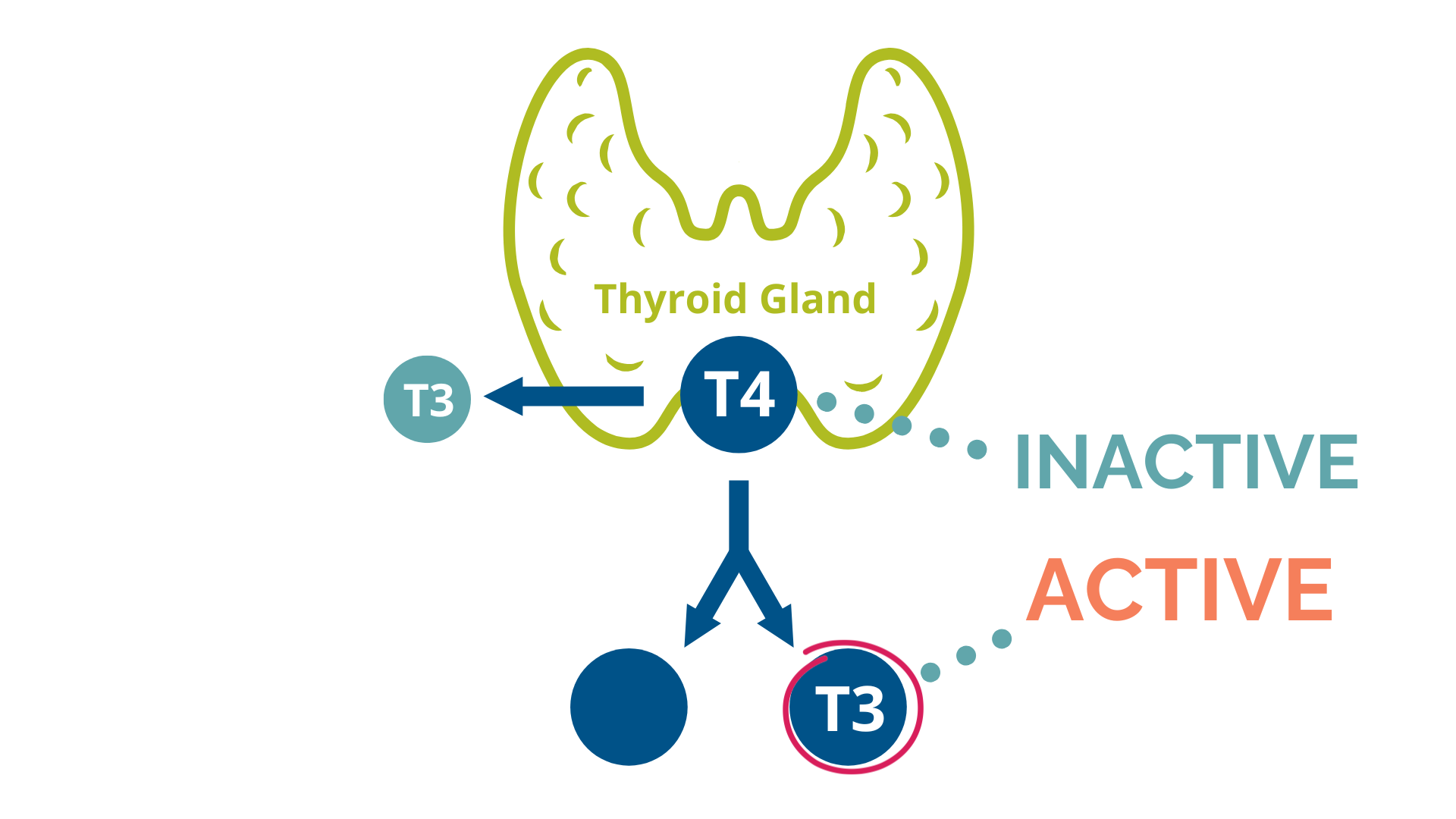
That’s because most providers only test thyroid stimulating hormone or TSH, not your thyroxine (T4) and triiodothyronine (T3), which are your actual thyroid hormones.
If you aren’t making enough T4 or you’re not converting it to T3, it can slow down your metabolism - making it harder for you to lose extra body fat. It can also cause high free cortisol, blood sugar problems, and fatigue - which make it harder to practice the lifestyle strategies that support healthy fat loss.
Androgen hormones - like testosterone and DHT - can also impact the effectiveness of Berberine.
If a person has PCOS, for example, and their body makes too potent or too abundant androgens, it can cause insulin resistance, which makes it harder to maintain a healthy body fat percentage.
While Berberine can help with the insulin resistance part, it doesn’t impact the hormones directly - though there are many functional strategies that can - but Berberine alone isn’t enough.
Of course, hormonal changes that are associated with perimenopause and menopause can also cause weight gain that is resistant to the impacts of Berberine.
Low estradiol, for example, often results in decreased thermogenesis, a key component of metabolism, as well as poor regulation of the parts of the brain responsible for hunger signals.
While Berberine can also positively influence hunger signals - for example, by encouraging the production of GLP-1 in the gut - it can’t entirely compensate for the loss of estradiol.
All of this is not to say that you can’t still be successful with Berberine if you also have underlying hormonal issues.
For example, one of my YouTube followers is menopausal and was able to lose 40lbs in 6 months by taking Berberine.
But for some people, these hormonal hurdles need to be assessed and addressed before or in conjunction with Berberine in order to get the best results.
If you’re finding that you tolerate berberine just fine digestively, but you still aren’t getting any traction with blood sugar or weight loss, consider functional testing of your hormones.

We offer an awesome cortisol testing bundle as well as comprehensive reproductive hormone testing on our website. And again, I’ll help you interpret the results and figure out what to do next.
As a side note, we can ship at-home test kits internationally, so even if you’re outside of the US, you can get access to this helpful health data.
The third reason that berberine doesn’t work for some people is that they’re using a low-quality, unproven product.
I’m sure I don’t have to tell you this, but not all supplements are created equal.
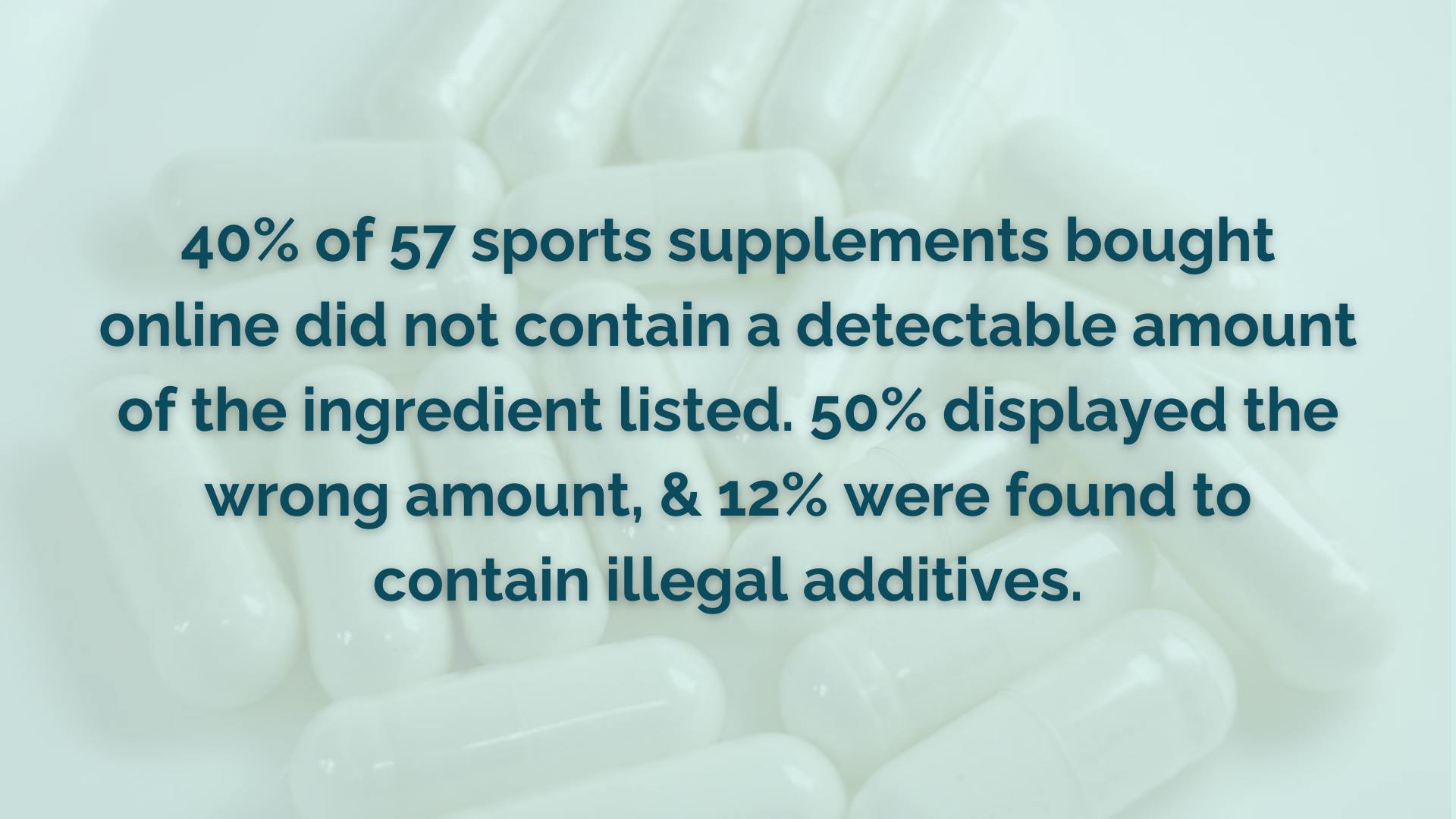
A study published in 2023 found that “40 percent of 57 sports supplements bought online did not contain a detectable amount of the ingredient listed. Half displayed the wrong amount, and 12 percent were found to contain illegal additives.”
More specific to our topic, another investigation found that 26 of 33 Berberine Products on Amazon and Walmart.com didn’t contain the amount of Berberine listed on the label.
This is why it’s so important to choose a practitioner-grade Berberine product sourced from a reputable distributer - not from Amazon.
Here’s why - In September 2023, it was discovered that counterfeit versions of Pure Encapsulations L-glutamine and NatureMD’s GutConnect 365 were being sold on Amazon.
This means that a third-party seller was either opening up the bottle of the “real” supplement and replacing it with something else, swapping the label, or making their own label claiming to be a reputable brand.
Yikes, right?
It’s bad enough that people who buy these poor-quality products aren’t getting what they paid for, they may actually be harmful. In 2024, a variety of supplements distributed in Canada were recalled because they were found to contain metal fibers - including Kirkland products, a popular brand sold by Costco.
All of this to say, if you tried a bargain brand berberine product, purchased from Amazon or your local Costco, there is no reasonable way to know if what you tried was actually the quantity and quality of berberine that was claimed on the label.
If it did absolutely nothing for you, it may be worth a second try - this time, with a practitioner-grade product from a company with rigorous quality standards.
You can find a link to my preferred, vetted Berberine product HERE - simply sign into my Fullscript dispensary to take advantage of my very generous discount.
So, there you have it - the top three reasons that Berberine doesn’t work for some people.
But everyone is different, and each of us has unique factors that impact our health and function.

That’s why functional medicine exists, after all, and it’s why I’d urge you to keep digging if you don’t immediately succeed with Berberine - or any treatment strategy, for that matter. There’s always more to learn and more options to discover!
To read more about the health benefits of Berberine, check out this post!
Hey!

